Pimax Crystal Super VR headset review
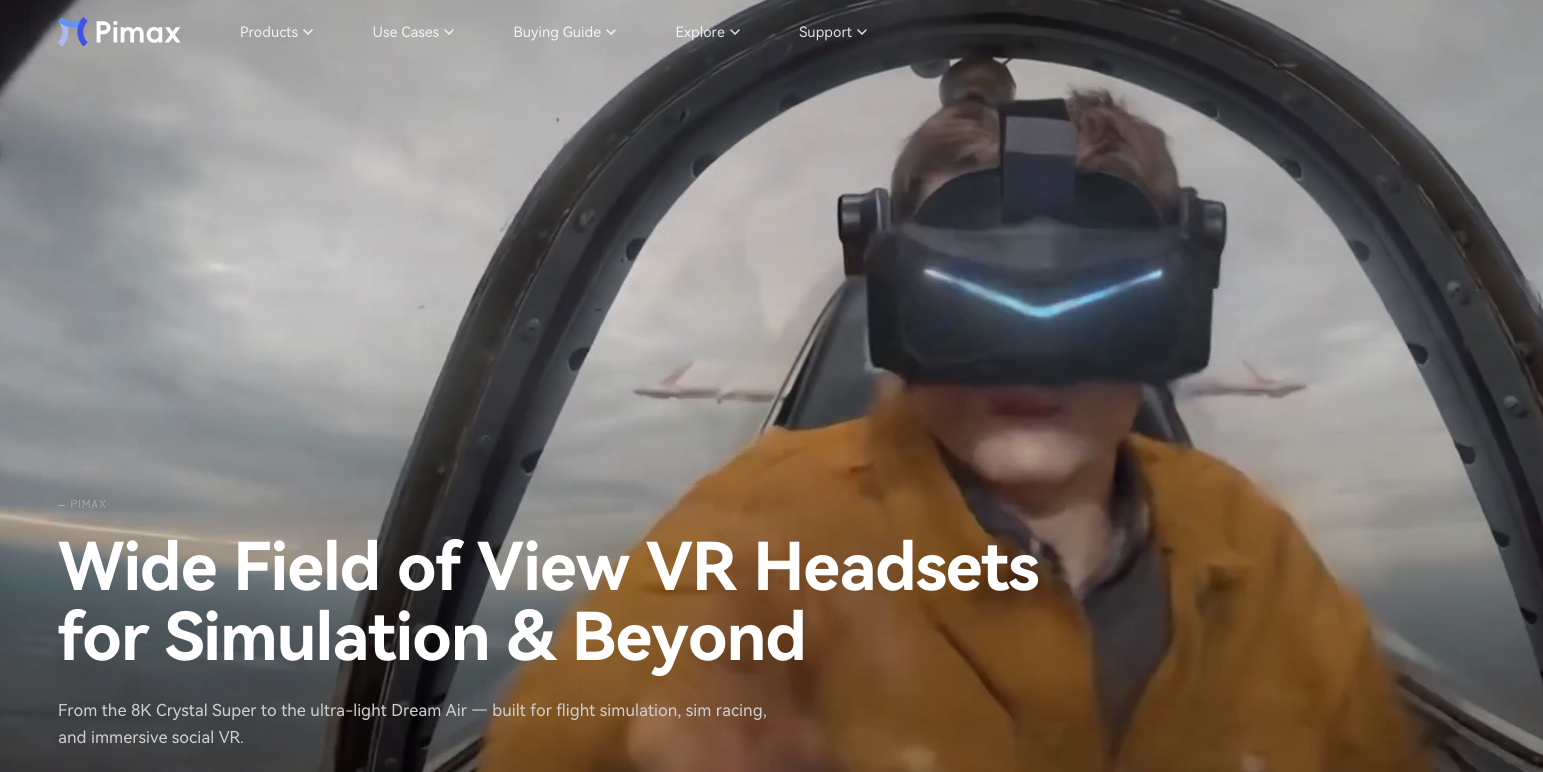
Pimax Crystal Super: A Flight Simmer's Review in 2026
The world of VR is a wild ride. When you combine it with flight simulation, you get an experience that is about as close to the real thing as possible. After flying with the HTC Vive Pro 2 for several years, I recently upgraded to the Pimax Crystal Super. This review details my experience making that switch, specifically through the lens of flight simulation.
About the Company
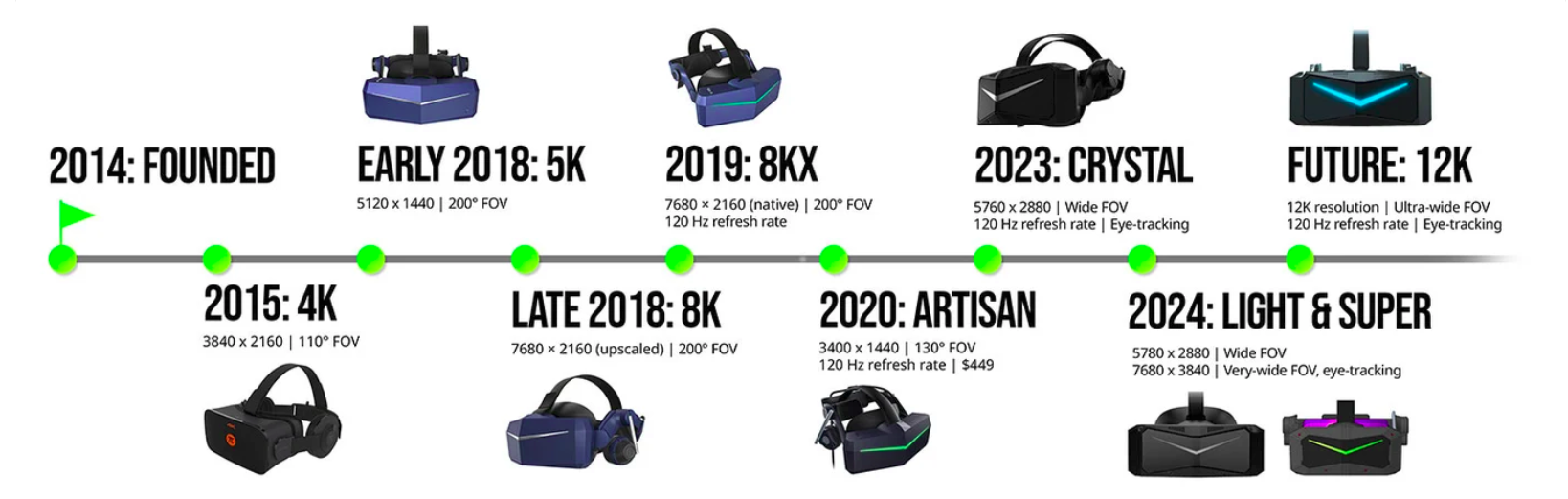
Pimax is a virtual reality (VR) hardware company known for building high-end, ultra-wide field-of-view (FOV) headsets tailored for simulation games like flight and racing sims. Pimax was founded out of a desire to push technological limits to the edge of the possible, and to help humanity exceed its limits through that same technology. Founded in 2014, Pimax gained massive attention after a record-breaking 2017 Kickstarter campaign that raised nearly $4.3 million. They were an early pioneer in pushing ultra-high resolutions (4K, 8K, and 12K concepts) and achieving wide 200-degree fields of view in VR.
The Journey from Valve Index to Pimax
My VR journey began in 2021 with the Valve Index. Eventually, I grew tired of its performance limitations and screen-door effect, prompting a switch to the HTC Vive Pro 2 (VP2). The VP2 was an easy choice at the time because it utilized my existing Valve base stations, making it a highly cost-effective headset-only upgrade.
I spent 2–3 years on the VP2. While I was constantly enamored by Pimax's reputation, I promised myself I would wait until my VP2 finally quit on me. A few months ago, I finally decided I couldn't wait any longer and made the leap.
First Impressions & Optimization
Right out of the box, the difference was stark. Even before touching a single setting in the Pimax Play software, the visual clarity was a massive upgrade. The picture was significantly sharper, simulator performance felt smoother, and a handful of persistent quirks I could never quite attribute to VR or MSFS—completely vanished. To get the absolute most out of the hardware, I followed some online tutorials for MSFS optimization.
Coupled with some incredibly responsive support from the Pimax team, I managed to dial in the software perfectly. For the first time in my VR journey, I can consistently run MSFS without a single technical hiccup.
Visuals & Upscaling: TAA vs. DLSS
I tested both TAA and DLSS in the sim. While both perform and look great, I lean heavily toward TAA. Because the Crystal Super gives me excellent baseline performance, I prefer to avoid the slight motion blur that becomes noticeable with DLSS in a VR environment. (Note: I have not yet tested DLSS 5).
The Pros
Streamlined Software: The configuration software is user-friendly and lightweight. Unlike SteamVR, it doesn't hog precious system resources.
Native Runtime: It bypasses the need for SteamVR entirely when running MSFS, saving overhead and reducing crashing risks.
Inside-Out Tracking: Moving away from base stations has been liberating. I no longer have to worry about losing tracking when looking around a complex flight deck, reaching for overhead panels, or getting up to take a virtual walk back through the cabin doors.
The Cons
No Native Screen Capture: There is no built-in tool to capture screenshots or video. When trying to use third-party capture software, the pictures looked distorted. I haven't spent a lot of time trying to troubleshoot this yet, but it is a noticeable omission out of the box.
Squeaky Controllers: The controller trigger squeaks noticeably every single time it is pulled.
The Neutral (Standard VR Trade-offs)
Heat and Bulk: Like almost all high-end VR headsets, it gets hot during long sessions and features a bulky physical footprint.
Tethered Experience: The headset is strictly wired, meaning you will have to manage cables during your sessions.
Stock Audio: The default integrated speakers leave some room for improvement, lacking the depth you might want for immersive engine roars.
QLED vs. OLED: This is the QLED version rather than the OLED variant. While an OLED display would be a fantastic feature for deep blacks during night flights, the QLED panels are still excellent and look great in the simulator.
Summary
Whether you are looking for your very first VR headset or wanting to make a major upgrade leap, the Pimax Crystal Super is a fantastic choice. Sitting right in that sweet spot between the mid-range and high-end price bracket, its software runs beautifully without draining system resources. Ultimately, its stellar visual performance makes it an incredible addition to any serious flight simulation setup.

The Pilot Club is a nonprofit organization. Your tax-deductible monetary contribution will help fund our operations, bringing a great aviation and flightsim community experience to all Members. Donate today. Thank you!